
Leading With Nature: Camille Mori
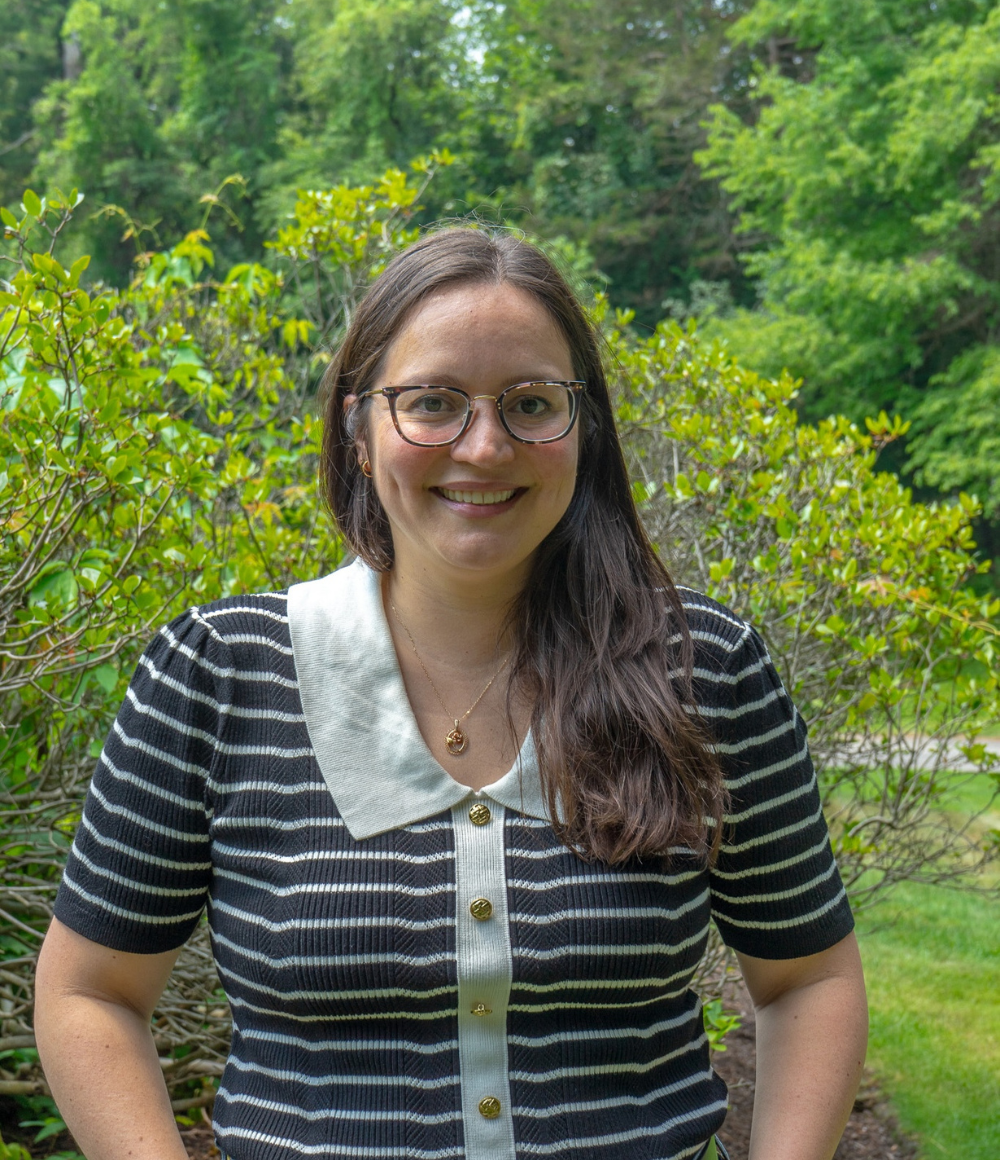
Meet the Chief Sustainability Officer taking a systems approach and bringing a reverence for nature to work.
Leading With Nature is a special interview series spotlighting women leaders who are taking action for nature and turning to it for support in hopes it brings you joy and inspiration on your own path.
In this installment, I interview Camille Mori, Chief Sustainability Officer of PrimeAsia Leather. Based in the Boston area, Camille focuses on where climate, people, and global supply chains meet. With extensive experience in footwear, apparel, and raw material ecosystems, she builds programs that not only reduce emissions and environmental impact but also elevate worker well-being, community resilience, and responsible growth.
Her stories of where her passion for sustainability originated are so beautiful. I hope they inspire you to think back to where your own love for nature began. Enjoy!
💌 Subscribe to the monthly newsletter to receive these posts in your inbox.
Can you share an experience you’ve had with the natural world that shaped who you are today?
When I was 14, I attended a wilderness summer camp in the Adirondacks. We had no electricity and went on multiple camping trips—biking, hiking and canoeing in the wilderness. Together, our group cooked meals over a wood-burning stove and kept our campsite clean. We camped in thunderstorms and capsized our canoe soaking all of our gear. I pushed my body to limits it hadn’t experienced before, but I learned to find the joy and beauty around me through all of this. We are capable of hard things and finding our way, even when everything seems impossible. Humans—just like nature—are resilient and can adapt. I try to remember this in my day-to-day work when the challenges we face with climate change feel insurmountable.
Where does your love for nature come from?
Growing up in Tokyo, you’d think nature wasn’t a big part of my childhood, but the city is filled with hidden greenery. There were several expansive parks we would go to, like Hanegi Park and Yoyogi Park. I have memories of fishing for tadpoles to take home and raise into frogs, digging in the dirt to find rollie pollies, and hiding in bushes, pretending they were playhouses.
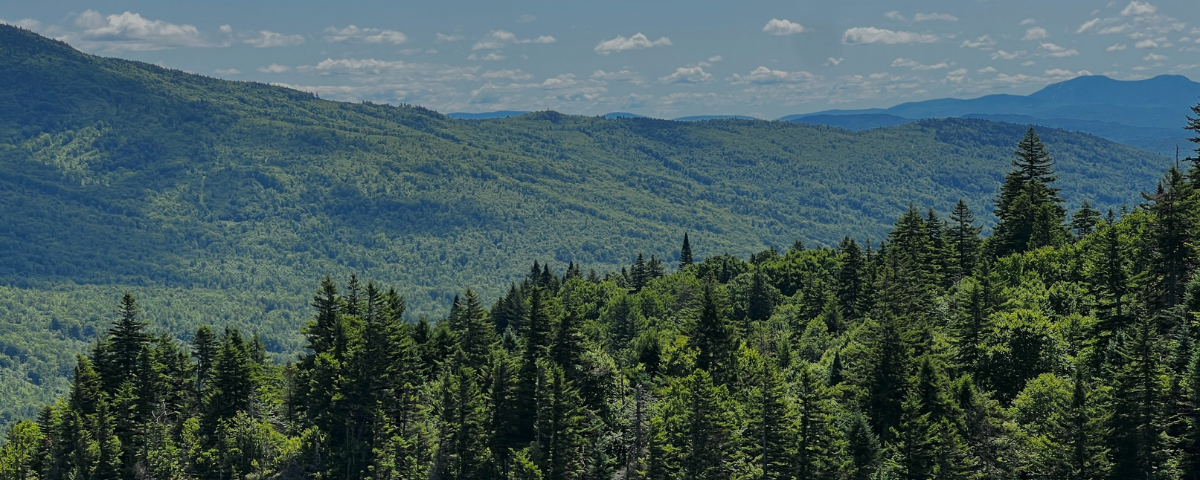
Nature for me has always been a place for play, creativity and movement, and it was a privilege to have access to these natural spaces. That has stayed with me everywhere I’ve lived—from the beaches and rolling green ranch land of the Big Island of Hawai’i to Prospect Park and Central Park in NYC to the rail trails and the White Mountains of New Hampshire.
How does caring for nature—humans included—show up in your work right now?
In the sustainability field, it’s easy to hyper‑focus on greenhouse gas (GHG) emissions. But there’s a risk to this carbon tunnel vision: a strong GHG reduction program can unintentionally create negative impacts on ecosystems if nature isn’t considered alongside carbon.
Ecosystems vary dramatically, so effective nature programs must be grounded in the specific landscapes where they’re implemented and give farmers and land stewards ownership over the practices they choose to implement.
This is why I advocate for scalable systems that allow for regional and farm‑level flexibility, and why at PrimeAsia, we’re working with customers and stakeholders to highlight the need for better data to inform our strategies. There’s still significant work ahead, but we’ve found like‑minded partners committed to moving this forward.
How does nature support you in your systems change efforts?
It’s easy for me to get swept into long‑term planning or the urgency of daily tasks, but getting outside and moving my body gives me space to think through complex problems or pause before making big decisions. I take short walks during the day and long runs on weekends, and love exploring new trails and routes, even in the depths of a New England winter.
In my work in the leather industry, where most climate and nature impacts occur at the farm level, it’s essential to connect with producers and the stewards of the land who understand it best. Getting outside—beyond theoretical frameworks and into real ecosystems—is critical to designing effective programs.
On a recent farm tour in the US, we received a thunderstorm warning. The rancher glanced at his radar and assured us we’d be fine. It was a reminder that nothing replaces the knowledge passed down through generations and the deep intuition of land stewards.
What advice do you have for other changemakers in these times when it feels like we’re going backwards instead of forward?
When the headwinds feel strong, it’s easy to get discouraged. But meaningful change rarely happens overnight. Instead, progress is cyclical, much like nature. There are seasons of momentum and seasons of setback.
With “wicked problems” like climate change, the work often lies in being prepared for the moment when an opportunity finally opens. This is a lesson I carry with me from my graduate program at NYU Wagner. As professionals in this field, our role is to build the tools, resources, and solutions ahead of time, so we can recognize the right moment to activate them and move things forward.
Is there a more-than-human being you feel a special connection with?
Growing up in Japan and Hawai‘i, I found myself offering quiet thanks to trees, mountains, and the ocean, sensing the unseen threads that connect us. In Japanese Shintō traditions, every element of nature carries a spirit. The native Hawai‘ian worldview holds a similar truth: the land, the ocean, the winds, and the rains are to be respected. I felt this deeply: nature isn’t something “out there”. It is a presence to honor, a force to respect, and a teacher woven into daily life.
That reverence also came with an understanding of nature’s power to shape human life. Earthquakes, tsunamis, volcanic eruptions…these were not abstract possibilities but constant reminders that the natural world moves on its own terms. Living with that awareness taught me humility, resilience, and a grounded alertness. It shaped how I see my work today: nature is not a backdrop to human activity, but an active partner—one we must listen to with respect, curiosity, and care.
Camille Recommends…
🥑 Collecting food waste from my kitchen, like onion peels and avocados, for natural dyes
⛰️ My Appalachian Mountain Club membership and staying at the mountain huts with no service or wi-fi, taking in the beauty of the White Mountains
🏃♀️ Exploring new places through running paths and trail runs
To follow Camille’s journey, connect with her on LinkedIn.

Photo Credits: Camille Mori (headshot) and Clinton Weaver (image of White Mountains).