
Leading With Nature: Anna Adlard
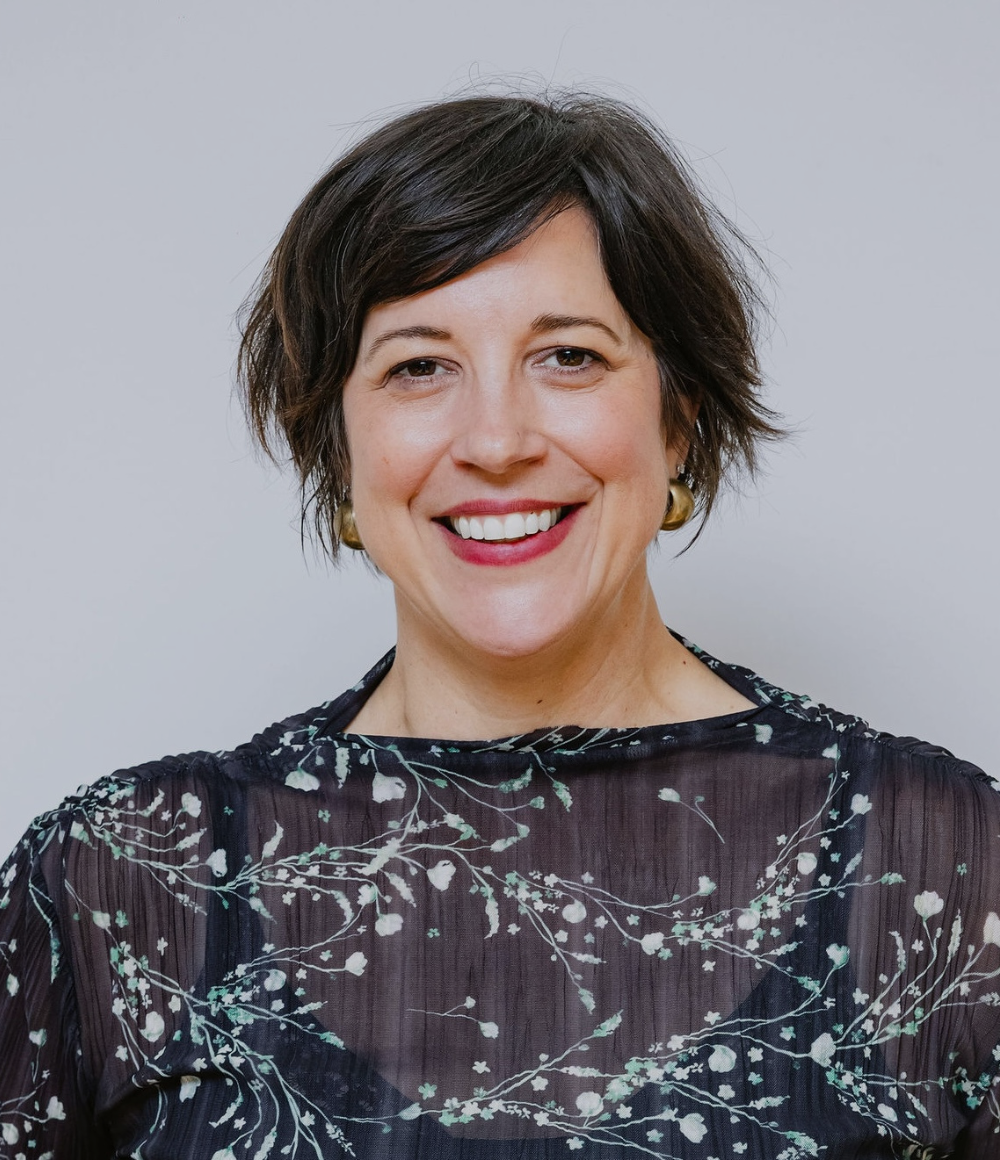
Meet the strategist turning climate ambitions into action and finding solace in oak trees.
Leading With Nature is a special interview series spotlighting women leaders who are taking action for nature and turning to it for support in hopes it brings you joy and inspiration on your own path.
In this installment, I interview Anna Adlard, President + Co-Founder of Workshop, which helps purpose-driven organizations turn climate ambitions into focused action. Based in Durham, North Carolina, Anna is a strategist and facilitator who believes in the power of people to change our systems for the better.
Anna’s wisdom—and her recommendations—are so juicy, you’re gonna want to read this twice. Enjoy!
💌 Subscribe to the monthly newsletter to receive these posts in your inbox.
Can you share an experience you’ve had with the natural world that shaped who you are today?
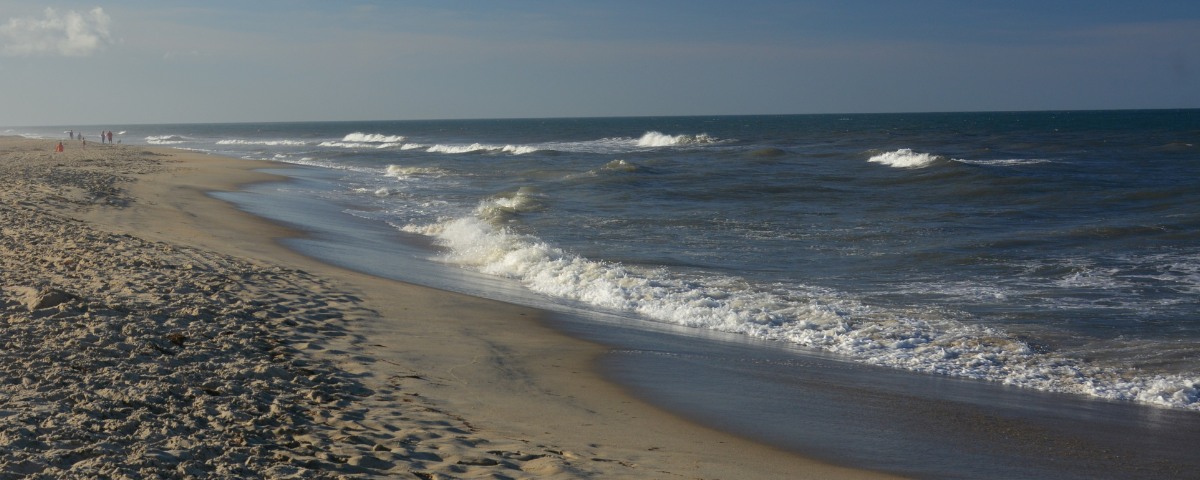
I grew up in the landlocked Midwest, but every summer we’d pile into our minivan and drive 22 hours to the North Carolina coast for a week at the beach. The ocean was a source of rest and play. We lived, played, ate and slept on beach time. It’s my earliest memory of feeling regulated and rested in nature. Now that I know our bodies are mostly water—and that we have the essence of ocean in our bodies—I understand that this was a reconnection.
How does caring for nature—humans included—show up in your work right now?
My work is focused on creating the conditions for people to work together on climate with courage, care, and integrity. At this point, what we need to do on climate is clear, and we have to shift our focus to the harder work of making it happen, together. This is not easy work. We are challenging extractive systems that resist change. We are holding complexity that overwhelms our nervous systems. We are collaborating in ways that stretch us. But I really believe in us, and I’m dedicated to helping people find agency, hope and momentum in the face of these big challenges.
How does nature support you in your systems change efforts?
I’m a creature of summer, but I learned how to appreciate all the seasons during the pandemic. In those days, we had to get out of the house every day, even in the cold, even in the dark. I learned how to experience the seasons in those daily walks. In the years since, I’ve created a route through my urban neighborhood that keeps me mostly in forests and fields. My daily walks—experiencing the subtle shift of seasons, deeply breathing in the oxygen offered by old oaks—keep me grounded. When I need to slow myself way (way) down, I take my dog with me. He wants to smell all the smells, and I go at his pace, pausing often, wandering without aim.
What advice do you have for other changemakers in these times when it feels like we’re going backwards instead of forward?
One of the privileges in working with so many different organizations on climate action over the last decade is gaining a field perspective. Although this work feels so challenged at a macro level, I look across the field and see so many micro examples of persistence and progress. These examples are nodes of activity that may seem micro close-up. But when you add them all up, what you actually see is positive change happening at scale. I used to think that system change happened in big, dramatic, visible waves. Now, I understand it as a thousand commitments and actions that all add up over time.
What’s something you’ve learned from the natural world that influences you or your work?
We have what we need. This is a belief that I often have to return to when I’m feeling overwhelmed or find myself in a scarcity mindset. In the current moment—when resources, funding and capacity for climate action feel limited—it’s easy (and valid) to feel discouraged. But I often think of how nature uses the resources it has access to, and in ways that are creative and adaptive. Nature is also inherently collaborative as a strategy to survive and thrive. When I reframe scarcity and instead consider what we have access to (including each other), I feel energized and hopeful about what’s possible, even in the current moment.
Is there a more-than-human being you feel a special connection with?
On a retreat at Paicines Ranch in California, we met a beautiful ancient oak tree on the property that is colloquially known as the “Mother Tree.” Our host had a beautiful way of understanding this tree as living and breathing, and she wondered aloud what this tree had witnessed over hundreds of years.
Last fall, I received a difficult health diagnosis, and as I’ve gone through treatment over the last 6 months, I've found comfort in trees. The visible lifecycle of trees has been a reminder that the seasons in our life are temporal, and the hard ones will eventually pass. We have a giant oak tree in our backyard, and I’ve done a lot of grieving, processing and resting sitting under that tree. I started to think of her as the “Sister Tree”, and imagined the incredible network of trees extending from the Mother Tree in California to where I live in North Carolina.
Anna Recommends…
🎧 Music to Be Born To by East Forest, which overlays soundscapes from nature with heart-opening music ideal for walking, meditating, dreaming.
📚 Wintering by Katherine May that has guided me through many personal winters. She offers insights and observations from nature to find rest, recovery and solace in difficult times.
🌊 Cape Town, South Africa is a city built in and around the folds of mountains and sea. It’s our former home and my favorite place to go. You can walk right out your front door and pick up hiking trails through a fynbos floral kingdom.
🥗 This salad from the New York Times is plant-forward eating at its best. So good, my teenagers actually request it for dinner. If you came to my house in the summertime, this is what I’d make for you.
To learn more about Workshop, visit their website.

Photo Rights: Anna Adlard (headshot) and Jim Schlett (North Carolina beach photo).